Dave Stewart’s Rare Entity wants to flip VC and return power to creators
By Diane Young, CEO
The Drum
FEBRUARY 17, 2026 | 7 MIN READ

Listen to article 4 min
The Eurythmics co-founder has teamed up with entrepreneurs Dominic Joseph and Rich Britton to launch a venture builder that turns creator-led IP into scalable businesses, with ownership and value flowing back to the artists. The Drum’s Diane Young catches up with Stewart and Joseph to find out more.
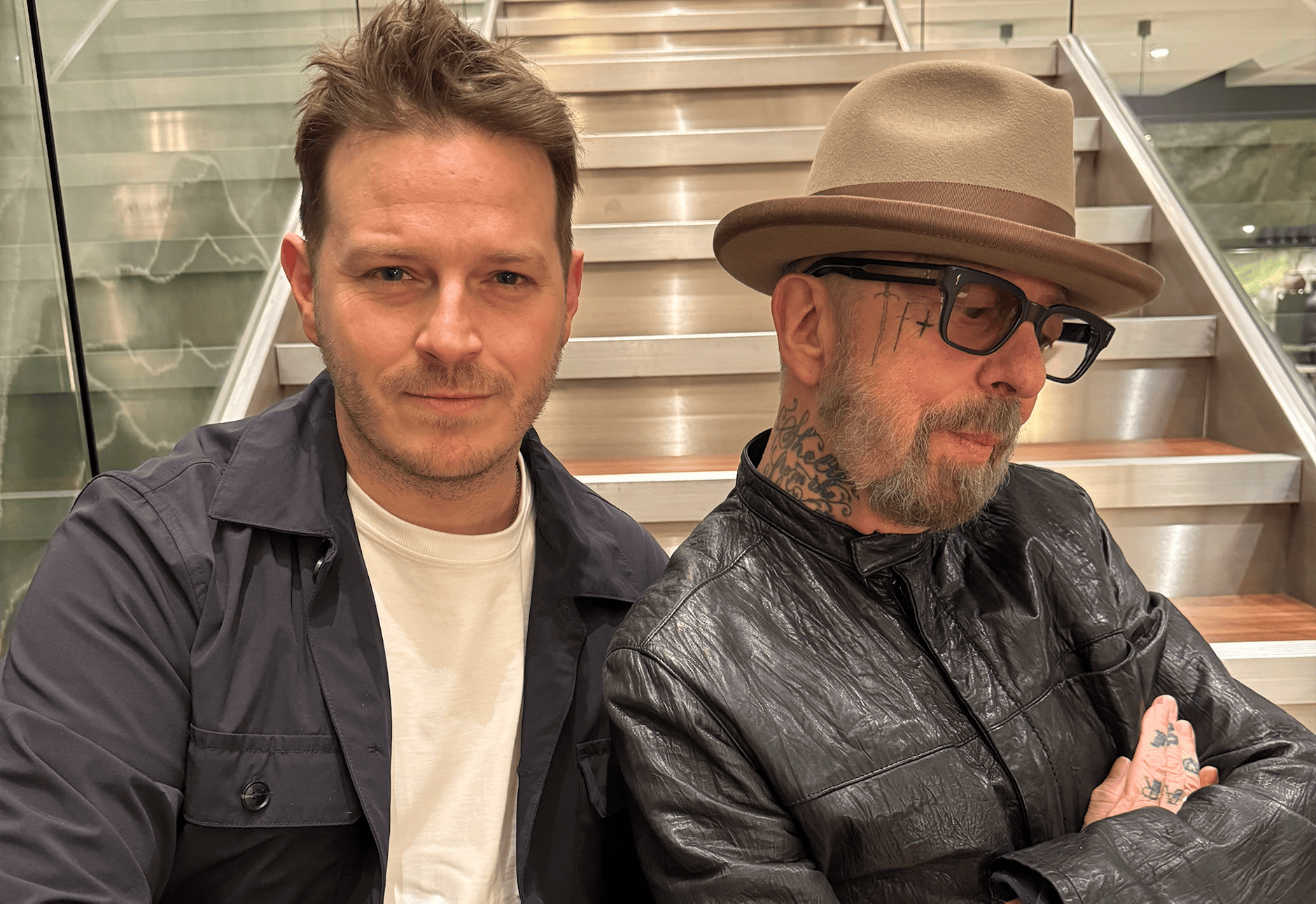
Dominic Joseph and Dave Stewart
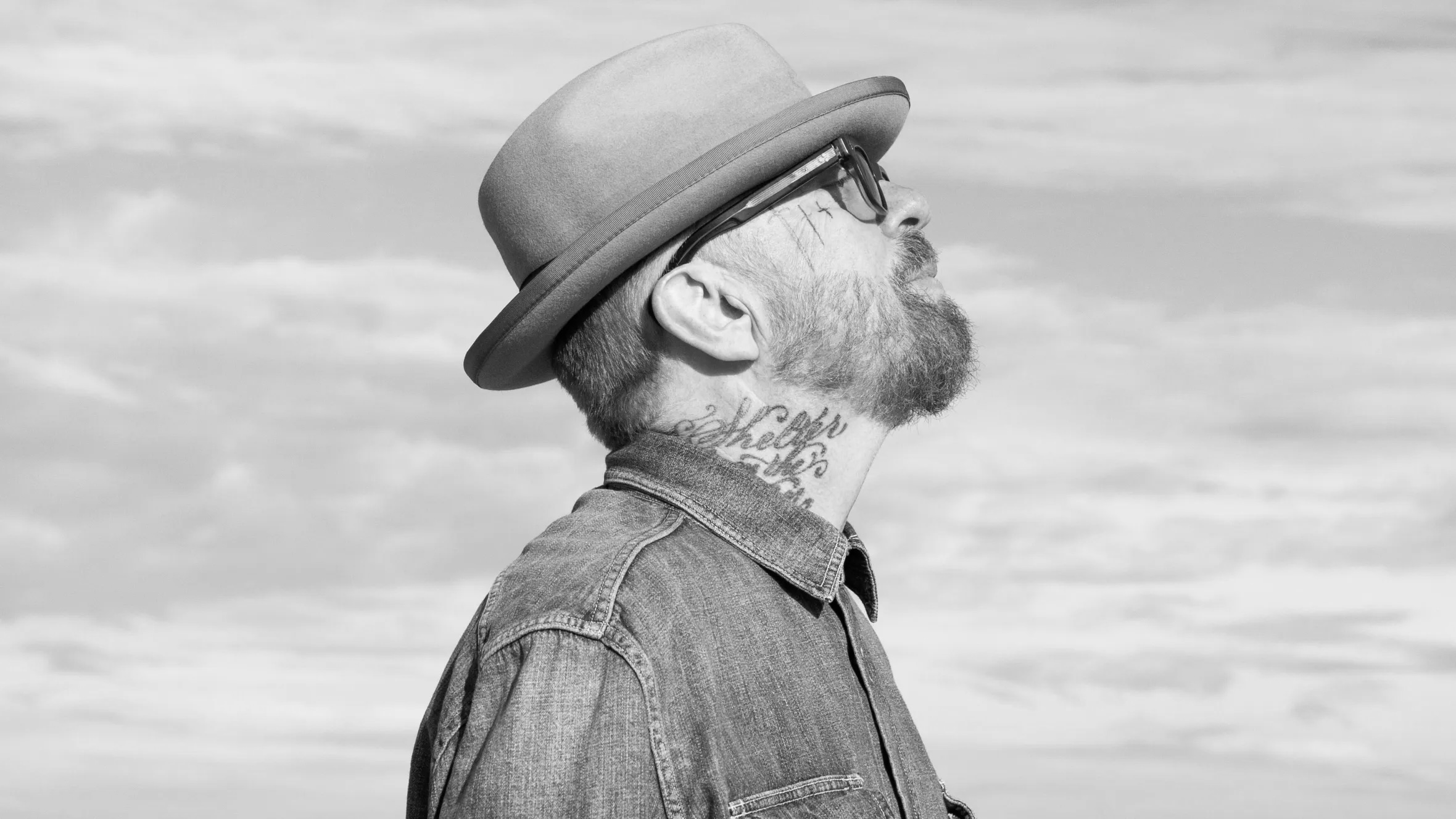
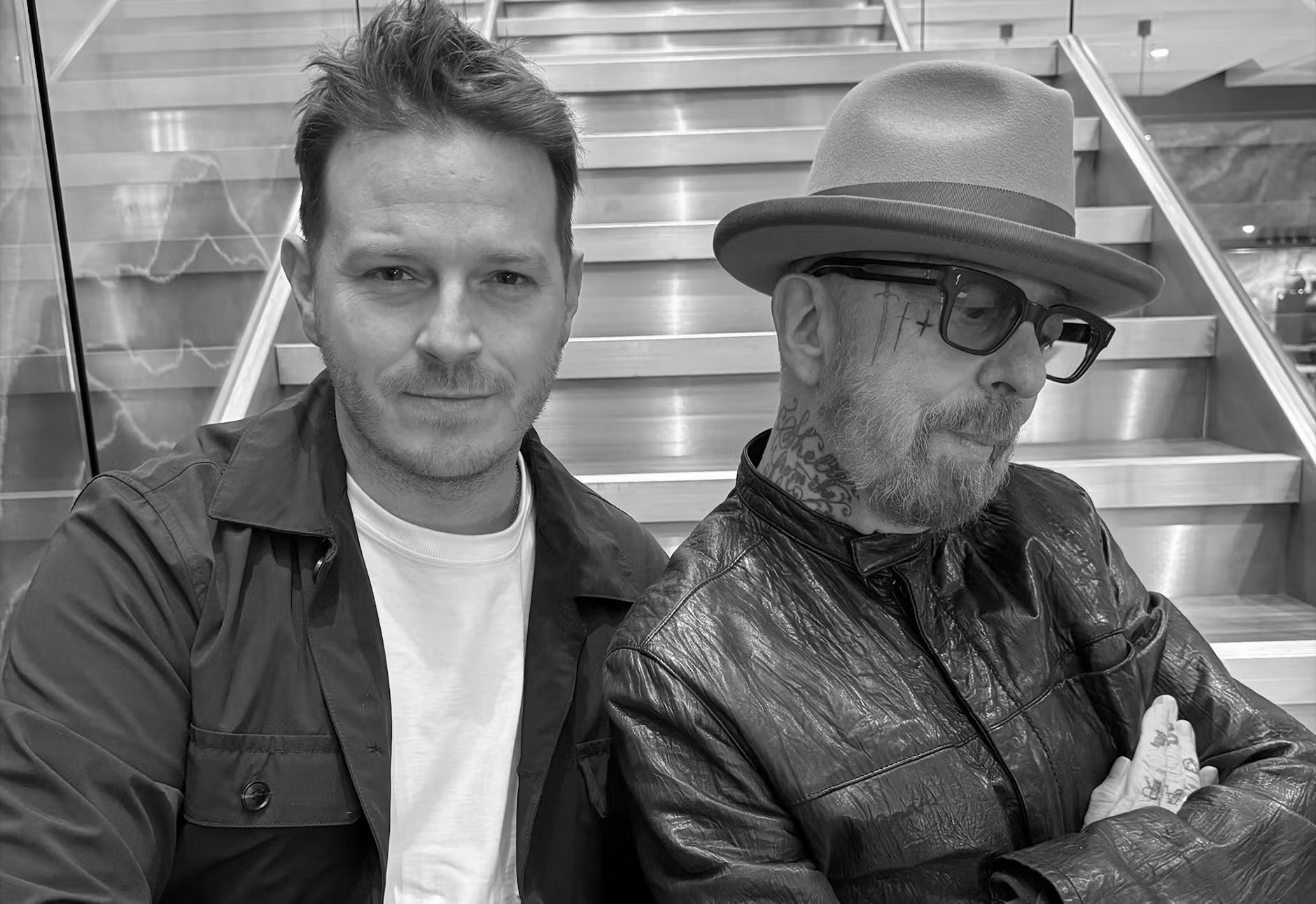
Dave Stewart has never been particularly interested in doing things the usual way, so it makes sense that his newest venture is built around turning the usual model on its head.
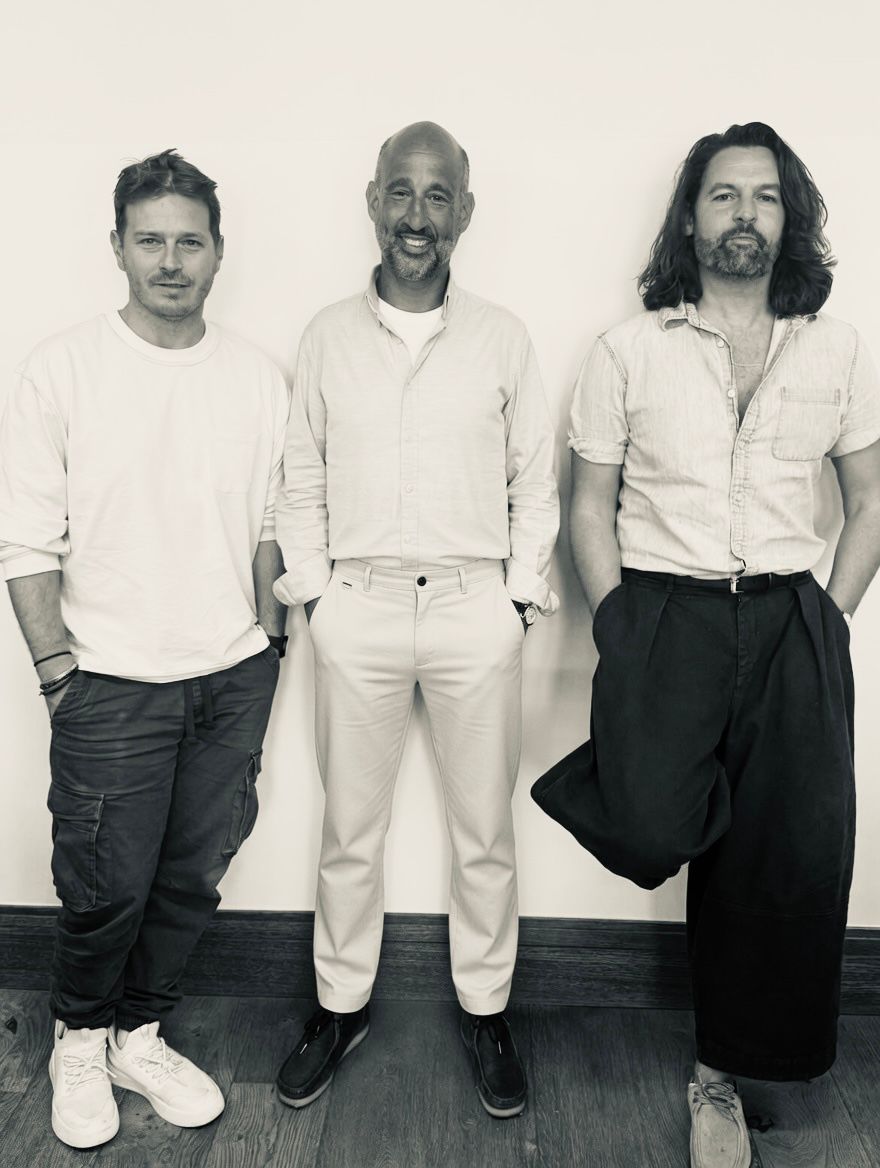
Rare Entity, a newly launched venture builder co-founded by the Eurythmics musician alongside entrepreneurs Dominic Joseph (ex-CEO and co-founder of Captify) and Rich Britton (ex-Coca-Cola, Apple and Soho House Venture Studio), is designed to take high-potential cultural ideas and turn them into scalable businesses without stripping creators of their intellectual property.
“Rare is turning the tables upside down on creativity and how people get their stuff out there and how they remain owners of their IP,” Stewart tells The Drum.
Joseph describes his role as Rare’s “chief architect,” ensuring the operational structure keeps pace with and matches the ambition of Stewart’s creative output.
“Our model is that the two need to go hand in hand for it to work,” Joseph says. “We’re taking IP from scratch and then building an operational engine around it to turn it into a business.”
A ‘reverse VC’ that puts creativity first
At the heart of Rare’s proposition is a deliberate rejection of traditional venture logic. Rather than raising a fund and hunting for deals, Rare aims to build the companies themselves, identifying standout IP, shaping it into a viable venture and bringing in capital only when it accelerates growth.
“What we do is the reverse of a VC,” Joseph says. “The VC takes a pot of cash… they spend all their time looking at decks and an Excel document. What we do is we go, ‘That’s a really great concept; let’s take that further,’ and then we’ll bring the money into it at the right moment.”
The ambition is aggressive: Rare expects to develop around eight projects a year, with a target of 50+ ventures over five to seven years. Stewart, unsurprisingly, is even more bullish. “We’re gonna do 60 in five years!”
Rare’s portfolio is split between two types of work. One is building “originals” – new IP-led concepts developed from scratch. The other is accelerating existing ventures Rare believes can move faster with the right operational and creative support.
Joseph says the team typically embeds for a year to 18 months, then steps back once the company and team are fully formed.
Ownership and upsides for creators
If Rare’s model sounds like a venture studio, its value proposition is closer to a creator-first platform. The group’s mission is explicitly framed as returning ownership, control and economic benefit to the people who originate the work.
“If we’re creating our own IP… whoever in our team has developed the core concept will own that piece of IP,” Joseph explains. “Rare will then incrementally take the stake in that.”
Stewart contrasts the approach with the way creators are typically treated in the modern platform economy. “Artists should have their own culture… their own world. They should have their own streaming service. Why not?”
Rare’s current slate spans music, sport and immersive experience, but the common thread is a belief that culture is moving away from purely digital consumption.
One of the projects Stewart highlights is Floating Upstream, a children’s storytelling world built around short allegorical tales and original songs. “I was just writing these little stories… for young kids, five to 10,” he says. “Each one is about not having to go the same road as everybody else.”
Rare’s vision is to turn the stories into a live, physical format: a mini-theater experience combining actors, narration, music and sing-alongs, creating something that can be replicated and scaled.
Want to go deeper? Ask The Drum
- What are the latest trends reinventing events for human connection?
- How are sports organizations engaging fans with content creators?
- How can brands achieve commercial advantage through creativity?
- How are production companies supporting talent development and venture acceleration?
- What defines entrepreneurial spirit in today's business landscape?
Audio-first communal experience
The most mature Rare entity is Sonic Sphere, an immersive spatial-audio venue that is already operating across four sites and is now scaling internationally.
Rather than a visual spectacle like its Las Vegas namesake, Sonic Sphere is designed as an audio-first communal experience, built around small audiences.
“You’re heightening your sense of audio with a small number of people,” says Joseph. “With 150 people, you’re going through this together. It’s totally 360 spatial.”
Stewart argues that the experience is part of a broader cultural correction, driven by digital fatigue.
“There’s more and more of a demand for this,” adds Joseph. “Especially the rise of AI and technology, digital experiences all the time. There’s almost this need to have a physical… human emotional connection.”
Rare is currently exploring Chicago and Barcelona as the next Sonic Sphere locations.
Sport, fandom and the new global audience
Sport is another major pillar of Rare’s ambitions, with the group already working with football clubs on fan engagement and cultural storytelling.
Joseph argues that football clubs are sitting on a level of “legacy IP” most entertainment businesses would kill for, but are still behind on the mechanics of modern audience engagement.
“Brands have become very sophisticated with capturing audience data… but in these other cultural sectors – sport, music, etc – they’re so far behind,” he says.
Stewart offers an example: his hometown football team, Sunderland AFC, discovered Spanish-language comments flooding their social channels and realized parts of Mexico have adopted the club as their Premier League team.
Rare’s work in this space is linked to Planet Fans, a direct-to-fan membership and wallet-pass platform designed to help rights holders engage audiences, manage data and build new value layers.
Where brands fit
Given Joseph and Britton’s backgrounds in advertising and brand leadership, Rare is also designed to be brand-friendly, but not in the traditional sponsorship sense.
Joseph says the era of “chucking ads everywhere” is waning, with brands increasingly chasing cultural relevance instead. “What we’re doing is… a brand can very subtly integrate itself into that experience that people are going on.”
Stewart cites Nike as an example of a brand that has historically understood how to build meaning and aspiration beyond product. Joseph also points to Red Bull as a modern benchmark, a brand that has managed to stand for a “feeling” far bigger than the drink itself. The goal, they say, is partnerships that improve the experience rather than interrupting it.
For Stewart, Rare is rooted in a simple belief: storytelling remains the most durable currency humans have. “It always has been storytelling,” he says. “What’s left from history in any culture is… sculpture, painting, music, written documents. That’s all that’s left.”
Rare’s plan is to build the next generation of those cultural artifacts – not as content, but as ventures. And if it works, the biggest shift may not be where culture is made, but who owns it.